The CMS landscape in 2026 offers more choice than ever — and more confusion. Enterprise teams face a critical architecture decision: stick with the comfortable monolith of WordPress, or leap into the headless world of Strapi or Sanity. The stakes are high: your CMS underpins every piece of content your business publishes.
What Is a Headless CMS?
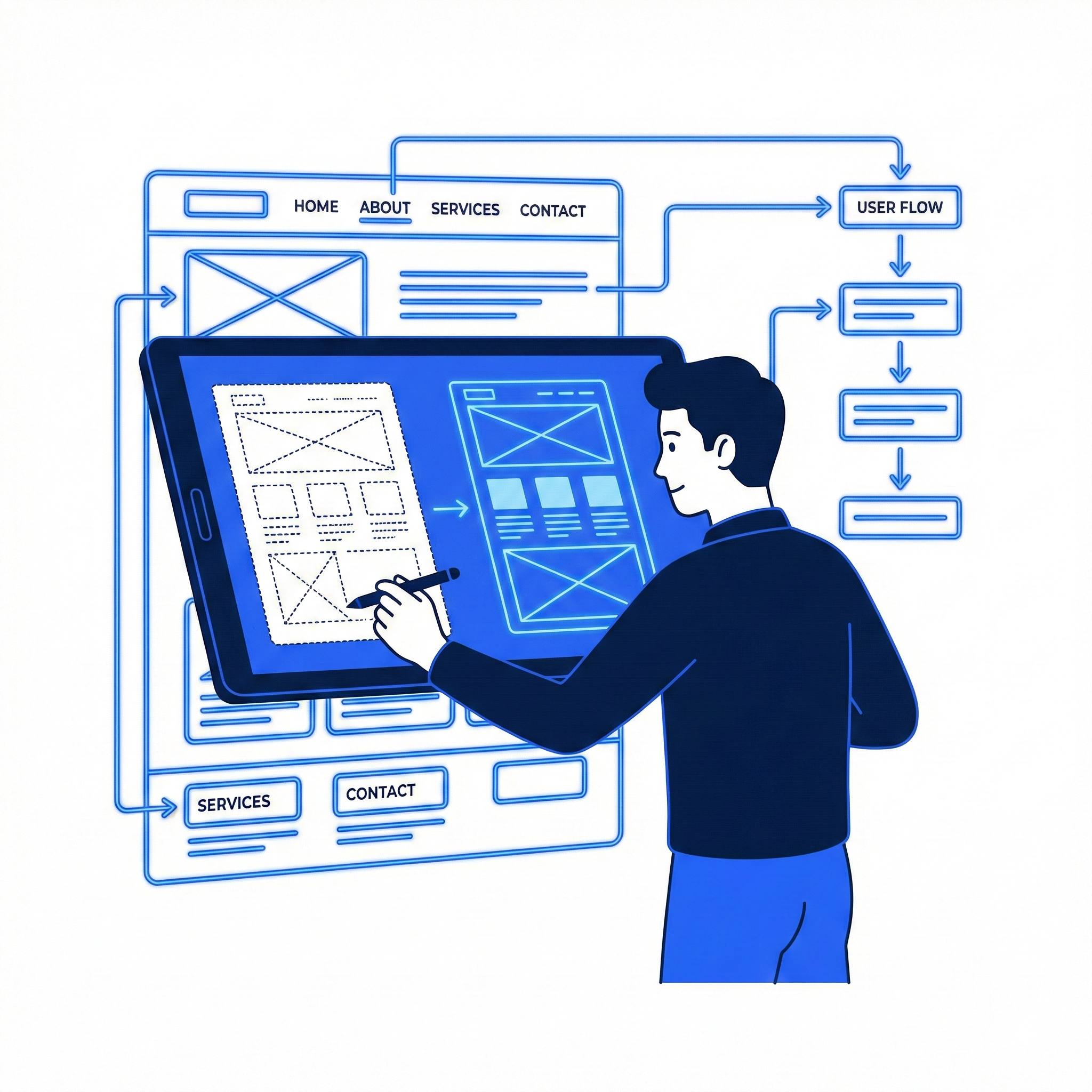
A headless CMS decouples the content repository (the "body") from the presentation layer (the "head"). Content is managed via a rich admin UI and delivered to any front-end — web, mobile, digital signage, voice assistants — through a REST or GraphQL API. This separation enables omnichannel content delivery and developer freedom.
WordPress in 2026: Still Relevant?
WordPress powers 43% of the web for a reason: it's mature, has an enormous plugin ecosystem, and editorial teams know how to use it. WordPress used headlessly (via WP REST API or WPGraphQL with a Next.js frontend) remains a legitimate enterprise choice, especially when migration cost is a constraint.
Strapi: The Open-Source Headless Champion
Strapi v5 is production-ready, self-hostable, and offers full content-type customisation, role-based access control, and excellent REST + GraphQL APIs. For teams needing data sovereignty and custom business logic, Strapi is the default recommendation.
Sanity: The Structured Content Platform
Sanity's real-time collaborative editing, GROQ query language, and portable text format are genuinely innovative. For media-rich publishing workflows, global editorial teams, and content that needs to be reused across many surfaces, Sanity's content lake architecture is a compelling proposition.
Total Cost of Ownership
Traditional CMS TCO is deceptively high when you include plugin licensing, security patching, and performance optimisation. Headless CMS TCO is front-loaded (initial build investment) but lower ongoing. For content-heavy enterprises with a 3+ year horizon, headless wins on TCO by a significant margin.